By Nathan Brooks April 9, 2026
Running a bar is a quick-paced, hectic, and transaction-driven process, especially when it comes to payment. The speed and nature of the service, combined with the fact that drinks are ordered and served rapidly, means that the payment system is often the weakest link in the chain.
Two major issues that often plague the payment system in bars are walkouts, where patrons leave the bar without paying their tab, and tip issues, where the amount being transferred is incorrect.
Card tabs and pre-authorizations are the solution to these two major issues. However, the mere use of card tabs and pre-authorizations is not enough. The implementation is what matters.
This article will discuss implementing card tabs and preauthorizations in bar payment systems without inconveniencing customers or causing employee confusion.
Understanding Card Tabs and Pre-Authorizations
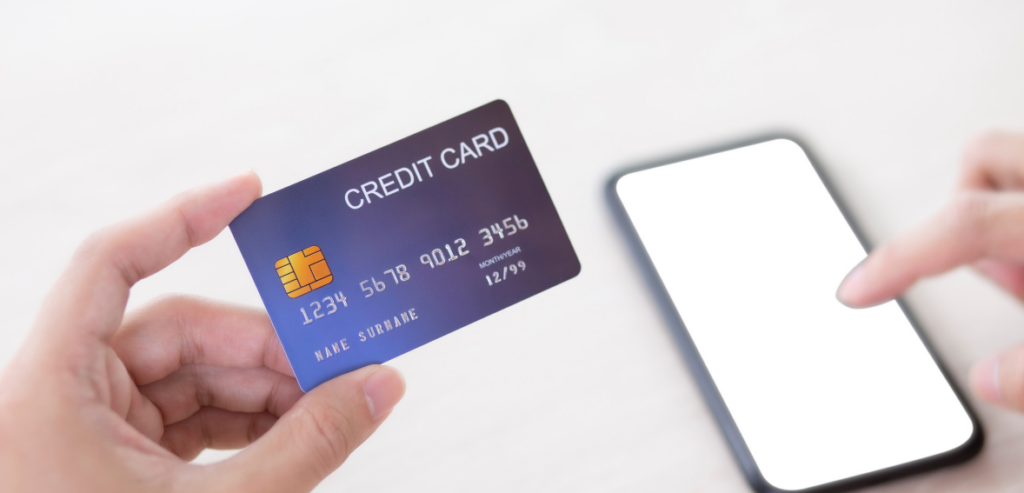
At the most basic level, opening a tab with a card is just putting a temporary hold on the customer’s money. This is called pre-authorizing the payment. Instead of immediately charging the customer for what they have had, the system is set up to pre-authorize an amount based on what is expected to be spent.
Once the tab is closed, the final amount is calculated, including any tips. The pre-authorization is adjusted accordingly. This is a balance of freedom and security. The customer is free to order what they want without paying after each drink, and the bar is protected against unpaid tabs.
Why Walkouts Happen—and How Pre-Auth Helps
While walkouts are often presumed to be intentional, they frequently occur due to simple misunderstandings or distractions. In a busy bar environment, a customer may forget they opened a tab, assume someone else has paid the bill, or walk out during a busy moment without realizing it. They may walk out on the bar staff, who may not be able to catch up on the situation due to the nature of the business.
This is where a pre-authorization system comes in handy to prevent such losses. This system ensures the bar can collect payment even if the customer walks out without paying the full bill. However, the system can only work as expected if every tab is authorized properly. This ensures that no tab is left unsecured, making payments easy to manage even during peak hours.
Setting the Right Pre-Authorization Amount
Determining the proper pre-authorization amount is crucial in striking a balance between security and customer comfort. If the pre-auth amount is too low, it may not cover the final bill, especially if a customer has been placing orders throughout the night.
This, therefore, calls for further authorizations, which might cause delays and confusion. On the other hand, if the pre-auth amount is too high, customers might feel uncomfortable seeing a high amount pending in their account. The aim, therefore, should be to find a middle ground between what customers spend and what will be considered reasonable.
A standard amount, based on customer behavior, is common in most bars, though some use varying amounts depending on time and events. Proper customer communication will therefore help alleviate customer concerns, ensuring that customers understand this is only a temporary process and that it will be adjusted once the tab has been closed.
Communicating Clearly With Customers

One of the simplest yet most effective ways to avoid problems with card tabs and preauthorizations is to communicate clearly. Many customer complaints do not stem from the process, but rather from a lack of understanding about how things work. When making a tab, staff should ensure they communicate with the customer, letting them know that a temporary hold will be placed on their card and that only the amount they actually spend will be charged.
Not only will this help build trust, but it will also avoid confusion later on. It will also help avoid problems if there are any issues with what’s reflected on their bank statement. Not only should there be clear communication, but all staff should be made aware of how to communicate this information so that there’s a uniform approach. By letting customers know exactly what’s going on, they feel more comfortable, and the entire process becomes more streamlined.
Managing Tabs Efficiently During Busy Hours
Busy hours are when payment errors are most likely to occur, underscoring the need for an efficient tab management system. In a busy setting, it is very easy to overlook the number of tabs open or, worse, open multiple tabs on the same card. However, this can be avoided by having an organized system. Each tab should be well-associated with the card and easily accessible through the POS system.
The staff should be trained to check whether the tab is already open before creating a new tab. The tab should be well labeled, whether by the customer’s name or location, to avoid mix-ups. The other thing is the need for efficient communication among staff, especially during shifts. If the system is well understood, even the busiest hours can be handled efficiently without any payment mistakes.
Preventing Duplicate or Lost Tabs
The problem of duplicate and lost tabs is common and can lead to billing errors and revenue loss. The customer may, for instance, end up opening multiple tabs, especially if he or she is not cautious, and these tabs may be spread out in different areas of the bar. The staff may also end up opening a new tab without realizing that one already exists. This may confuse, especially when closing the tabs, and may also lead to billing errors.
The lost tabs, where no card is attached, are even worse, as this may mean the customer does not pay their bill. To prevent this problem, the system and staff need to be designed to ensure a unique identifier is used to track tabs. The staff needs to ensure that a new tab is opened while checking if one already exists. The system also needs to ensure that every tab opens with a valid pre-authorization to eliminate the possibility of unsecured tabs and ensure everything runs smoothly.
Handling Tips Accurately

Tips are a significant component of bar service and directly influence staff income and customer satisfaction. However, tips can sometimes result in errors due to improper handling of the process. Most errors occur when tips are handled manually, especially during peak hours when staff are in a hurry. To avoid these errors, the bar can use systems with simple, clear tipping options, such as a percentage-based system.
It is always important to allow the customer to review the tip before the process is complete. This can be facilitated by using digital systems to avoid customer misunderstandings and confusion. Proper communication can also help prevent such misunderstandings during the tipping process. This can result in a win-win situation for the customer and the staff.
Closing Tabs Without Errors
This is an important step where accuracy is paramount. At this point, the pre-authorization is finalized, and the actual charge is processed. Any mistakes at this stage will result in incorrect charges, customer dissatisfaction, and even disputes. There is a need to develop an ideal process for closing tabs. This includes ensuring the correct tab is closed, the total is correct, and the tip is included.
Taking some time to double-check will prevent costly mistakes. The final amount due must also be communicated to the customer. Hurriedness at this stage will result in mistakes, especially when the restaurant is busy. A structured process will ensure that every transaction is done correctly, promoting accuracy and trust in the payment process.
Dealing With No-Shows and Unclosed Tabs
Unclosed tabs, for instance, are one issue that many bars face, especially during busy nights. At times, customers leave their tabs open, either intentionally or by accident. It is therefore crucial to have a clear plan in place in case such situations arise. One common plan many bars use is closing tabs at the end of the night, with charges based on what was ordered.
In some cases, bars may even add a gratuity charge, even though service was rendered. It is therefore crucial to be consistent in implementing such policies, especially to avoid confusion among employees. Additionally, it is crucial to communicate these policies to customers, either orally or in writing. By having a plan in place, bars can handle tab issues effectively.
Staff Training and Accountability
The staff is very important in preventing walkouts and payment errors. The best system is useless if the staff is not using it properly. Training should focus on ensuring staff are fully aware of the card tab system and pre-authorizations, as well as the importance of using consistent procedures.
Training should focus on consistent procedures for opening, managing, and closing tabs, ensuring staff know how to properly communicate the pre-authorization process to customers.
Accountability is crucial: staff are responsible for monitoring and managing their tabs throughout the day.
Balancing Security Without Hurting Customer Experience
Though pre-authorizations are crucial for walkouts, they should never make the customer feel restricted or uncomfortable. Bars rely on atmosphere and experience, not process. If the payment process feels intrusive, it can affect how the customer feels about the service. The aim is for security measures to be invisible. Making a tab should be easy and natural, not intrusive.
Cards should be handled well and returned if necessary. At the same time, the customer should not feel like they are being monitored. It is a delicate balance. If done well, pre-authorizations can work for the business without impacting the relaxed atmosphere that customers expect. A smooth process can encourage customers to return, but a strict process can have the opposite effect.
Using POS Technology to Minimize Errors
In today’s world, modern POS systems are also instrumental in reducing duplicate tabs, incorrect tips, and non-payment. This is because with an effective POS system, one has real-time visibility into any outstanding tabs. This will enable employees to better manage tabs and payments. With an effective POS system, one can also avoid problems such as incorrect tips and non-payment.
An effective POS system will also help prevent tabs from remaining open indefinitely.
With an effective POS system, one can also avoid problems with employees leaving tabs open for too long. Therefore, one will see that investing in an effective POS system is not just about convenience; it is also about accuracy. If one invests in an effective POS system, employees will be more focused on providing excellent customer service.
Handling Peak Hours Without Losing Control
Peak hours can quickly turn into chaos if systems and processes are not strong enough to handle the demand. During peak hours, customer volume is high, which can lead to many mistakes, such as missing tabs and incorrect billing. To address this situation effectively, bars need a system in place. This can be achieved by assigning different areas of operation to staff so they are aware of the areas they handle and avoid duplication of effort.
Communication between the staff is also important during peak hours. Using technology to track tabs in real time can help deal with the situation more effectively during peak hours. It is important to avoid shortcuts during peak hours, such as delaying tab entry or skipping verification. While speed is important during peak hours, accuracy cannot be sacrificed for it. Maintaining discipline during peak hours can help the bar operate smoothly and avoid costly mistakes.
Reducing Disputes and Chargebacks
Disputes and chargebacks can happen when the customer feels they have been mischarged or doesn’t fully understand the bill. Not only is this detrimental to the business, but it is also time-consuming to fix. The first line of defense against this is being transparent. Having clear receipts, accurate tipping, and communicating well with the customer during checkout are all important factors.
Having digital records, such as signed receipts or transaction records, can be helpful if a dispute arises. The staff should also be well-equipped to address the customer’s concerns professionally. Resolving the problem immediately is the best way to avoid a formal dispute later. By being accurate and transparent in all transactions, bars can avoid chargeback issues and build customer trust.
Continuous Improvement Through Data and Feedback
Improvement in payment processes is ongoing, and regular evaluation is necessary. Keeping track of the number of open tabs, walkouts, and discrepancies in tips is helpful. Similarly, customer feedback is important, as it helps identify areas where the customer may find the process unclear or cumbersome.
Regularly reviewing the data will help businesses identify areas for improvement and make the necessary changes. Even minor changes, such as improving communication and adjusting settings, can make a big difference over time. By being proactive, bars can ensure payment processes are efficient, and customers have a positive experience.
Conclusion
Card tabs and pre-authorizations are vital tools for modern bar operations and play a critical role in preventing walkouts and ensuring accurate payments. However, this can only be fully realized if implemented and managed effectively. This means everything, from setting the right amount for pre-authorizations to ensuring proper communication and using the right technology, plays a critical part in ensuring accuracy and reducing errors.
On the other hand, ensuring a smooth, comfortable customer experience is vital to bar operations. This means striking a perfect balance between security and ease of use, such that customers feel comfortable and employees can operate effectively.
This way, a bar can be able to create a payment system that is not only accurate and secure but also comfortable and efficient for its customers. The ultimate goal, therefore, remains straightforward, and its realization can be seen in accuracy, customer satisfaction, and a system that delivers in the long term.
FAQs
What is a pre-authorization in bars?
It’s a temporary hold on a customer’s card to ensure funds are available before closing the tab.
Why do bars use card tabs?
To allow customers to order freely while reducing the risk of unpaid bills or walkouts.
Can customers be charged more than the pre-auth amount?
Yes, the final amount is adjusted based on actual spending and tips when the tab is closed.
How can tip errors be prevented?
By using clear digital prompts, allowing customer confirmation, and reducing manual entry mistakes.
What happens if a customer leaves without closing a tab?
The bar can close the tab using the pre-authorized card and charge for all recorded orders.